4 Point Inspection: What the Inspector Checks and the Photos Insurers Want
Quick answer
A 4 point inspection is a short, photo-based report on the age and condition of a home’s roof, electrical system, plumbing and HVAC. Florida insurers commonly ask for one before they issue or renew a policy, and Citizens requires it on applications for homes more than 20 years old. The visit takes about an hour, and the Florida CFO says a standalone inspection typically costs $100 to $300.
A 4 point inspection is not a full home inspection. It answers four questions for an underwriter: how old is each major system, what type is it, is it working as intended, and is anything visibly hazardous? If the answers look risky, the insurer can ask for repairs before it writes the policy.
This guide follows the Citizens 4-Point Inspection Form (Insp4pt 03 25) section by section, then covers the 7 photos a report needs, the cost, who can sign it and how recent it must be. Every rule was checked against its official source, as explained in how we verify our guides. If your insurer asked about wind-resistant features instead, read our guide to the wind mitigation inspection.
Table of Contents
4 point inspection at a glance
One row per question an underwriter asks, one column per system. The detail for each cell is further down.
| Roof | Electrical | Plumbing | HVAC | |
|---|---|---|---|---|
| What the form records | Covering, age, remaining useful life, last permit and last update | Panel type, total amps, wiring types, panel age and brand | Pipe types, age of supply and drain piping, water heater age | Central AC and heat, age, date of last service |
| Photos it needs | Each roof slope | Open main panel with its door, and the box with the panel off | Water heater, under-cabinet plumbing, exposed valves | Equipment and its dated manufacturer’s plate |
| What gets flagged | Curling, granule loss, soft decking, hail damage, leaks | 12 listed hazards, from double taps to scorching | Active or past leaks, unsatisfactory fixtures | Unprofessional wood stove or gas fireplace, space heater as main heat, air handler leaks |
| Have ready | Re-roof permit date | Electrician’s paperwork for any aluminum wiring repair | Year and extent of any re-pipe | Last service invoice |
What is a 4 point inspection?
A 4 point inspection is a visual check of four systems: the roof, the electrical system, the plumbing and the heating, ventilation and air conditioning (HVAC). A Florida-licensed professional records the age, type and condition of each one, takes photos and signs a standard form. You will also see it called a four point inspection or a 4 point home inspection. They mean the same report.
The Florida CFO’s consumer guide explains why insurers want it: older systems raise the risk of costly claims, so the report helps the company decide whether a home meets its underwriting standards. The inspector does not design repairs or estimate their cost. They describe what they see.
It is much narrower than the home inspection a buyer orders before closing, which looks at far more of the house. It is also not a wind mitigation report. That one records wind-resistant features for premium credits, on a different state form, and is valid much longer. Our guide to the wind mitigation inspection covers it.
When insurers ask for a 4 point inspection
Insurers set their own rules for when they want one, so the trigger depends on the company. The CFO guide describes the report as commonly required when an insurer issues or renews a policy. Three rules we could verify:
- Citizens and home age. Citizens’ inspections page says it requires a 4 point inspection for property owner, dwelling and mobile home applications on homes more than 20 years old. Its December 2021 bulletin lowered that line from 30 years for policies effective on or after February 1, 2022.
- Older roofs. The CFO guide says insurers may require proof of at least five years of remaining useful life for shingle roofs older than 15 years, or tile and metal roofs older than 20.
- Very old roofs at Citizens. Citizens also asks for a separate Roof Inspection Form on shingle roofs over 25 years old and hard roofs over 50. Our guide to the roof inspection for insurance explains that report.
For the rest of the Citizens rules, from the 20% eligibility test to takeout offers, see our guide to Citizens insurance. If you are not with Citizens, ask your agent which age triggers the inspection, which form they accept and how recent it must be. The questions further down help.
What a 4 point inspection checks, system by system
Here is what the Citizens form asks in each section, in plain English. We use it because it is public and current. Your insurer may ask for its own form, so treat this as the typical scope rather than the only one.
Roof
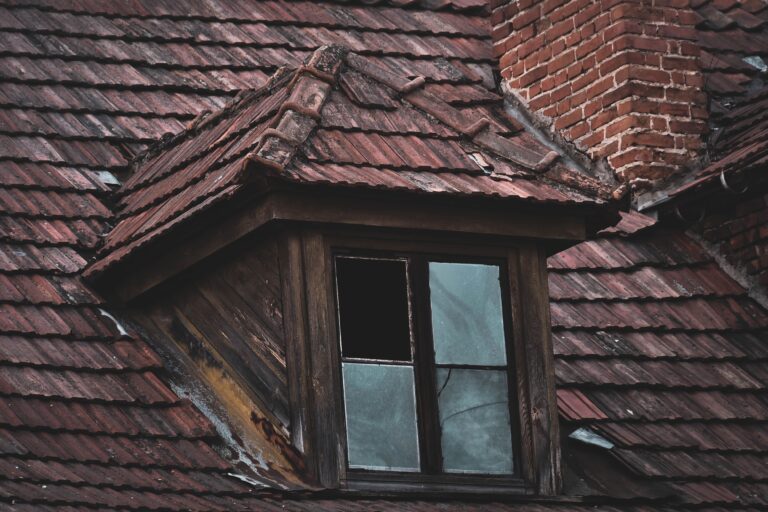
For the main roof, and any secondary roof, the form asks for the covering material, the roof’s age, its remaining useful life in years, the date of the last roofing permit and of the last update, and whether that update was a full or partial replacement. The inspector rates the overall condition as satisfactory or unsatisfactory.
They then tick any visible damage or deterioration from a fixed list: cracking, cupping or curling, excessive granule loss, exposed asphalt, exposed felt, missing, loose or cracked tabs or tiles, soft spots in the decking and visible hail damage. They also note any signs of leaks in the attic or underside of the decking, and on interior ceilings. Since the 2025 update, a yes on leaks has to be explained on the form.
Electrical
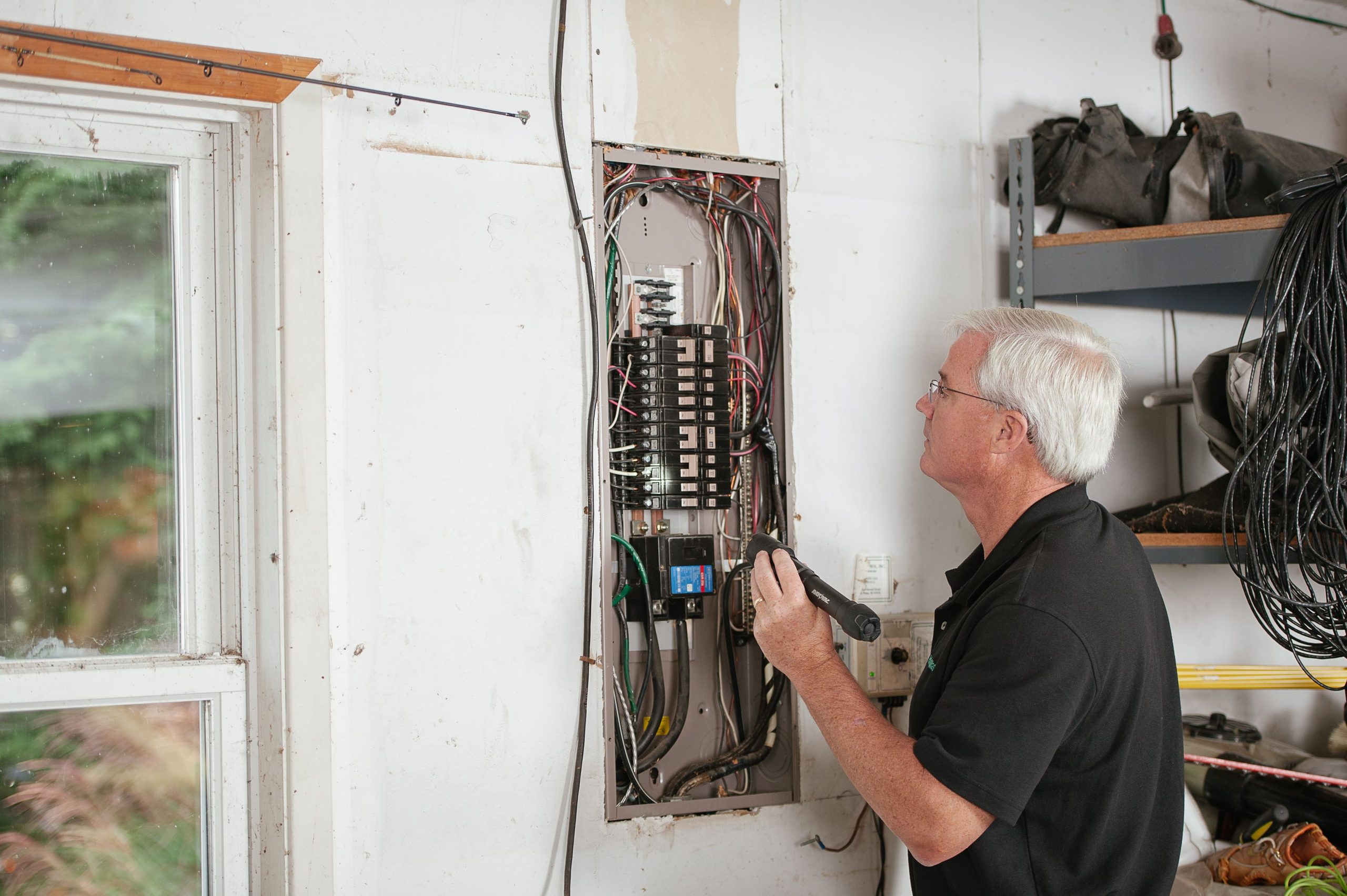
For the main panel, and a second panel if there is one, the inspector records whether it uses circuit breakers or fuses, the total amps, and whether that amperage is sufficient for current usage. The supplemental section adds the panel’s age, the year it was last updated, its brand and model, and the wiring types present: copper, copper-clad aluminum, NM, BX or conduit, single-strand or multistrand aluminum, cloth (knob and tube), cloth jacket or rubber insulated.
Three wiring answers draw extra attention: cloth wiring, active knob and tube, and branch circuit aluminum wiring. Our guide to knob and tube wiring explains how to spot it and which fixes insurers usually accept. If single-strand aluminum branch wiring is present, the form asks for the details of every repair, names COPALUM crimp and AlumiConn connections as repair methods, and requires separate documentation certified by a licensed electrician.
Finally, the inspector checks the 12 hazards printed on the form. Any one of them can hold up an application until it is fixed:
- Blowing fuses
- Tripping breakers
- Empty sockets
- Loose wiring
- Improper grounding
- Corrosion
- Over fusing
- Double taps
- Exposed wiring
- Unsafe wiring
- Improper breaker size
- Scorching
The brand and model the inspector writes down matter too. If yours says Federal Pacific or Stab-Lok, read our guide to the federal pacific electrical panel before the underwriter does.
Plumbing
The plumbing section starts with the water heater: does it have a temperature and pressure relief (TPR) valve? Then two direct questions: is there any sign of an active leak, and any sign of a prior leak?
Next comes a fixture list, each rated satisfactory, unsatisfactory or not applicable: dishwasher, refrigerator, washing machine, water heater, showers and tubs, toilets, sinks, sump pump, the main shut-off valve and all other visible plumbing. An unsatisfactory rating needs a comment, such as a leak, a soft spot, mold, corrosion or failing grout.
The supplemental section records the age of the water heater and of the supply and drain piping: original to the home, completely re-piped or partially re-piped, with the year and extent of any work. Pipe types are ticked from a list: copper, PVC/CPVC, galvanized, PEX, ABS, cast iron, polybutylene or other. Polybutylene is the answer underwriters worry about most; our guide to polybutylene pipes explains how to spot them and what insurers do about them.
HVAC
The form asks whether the home has central air conditioning and central heat. If the heat is not central, the inspector records the main heat source and its fuel. The key question is whether the heating, ventilation and air conditioning systems are in good working order, plus the date of the last service or inspection.
Three hazards are listed: a wood-burning stove or central gas fireplace, and whether it was professionally installed; a space heater used as the main heat source, and whether it is portable; and any sign of blockage or leakage at the air handler, condensate line or drain pan. The supplemental section records the system’s age and the year it was last updated, with photos of the equipment and its dated manufacturer’s plate.
One line on the Citizens form explains why all of this matters. Agents may not submit applications for homes whose electrical, heating or plumbing systems are not in good working order, or that have existing hazards or deficiencies.
The 7 photos every 4 point inspection report needs
A 4 point inspection report is only as strong as its photos, because the underwriter never visits the house. The Citizens form sets the minimum, and the CFO guide lists the same photos. Here are the seven groups.
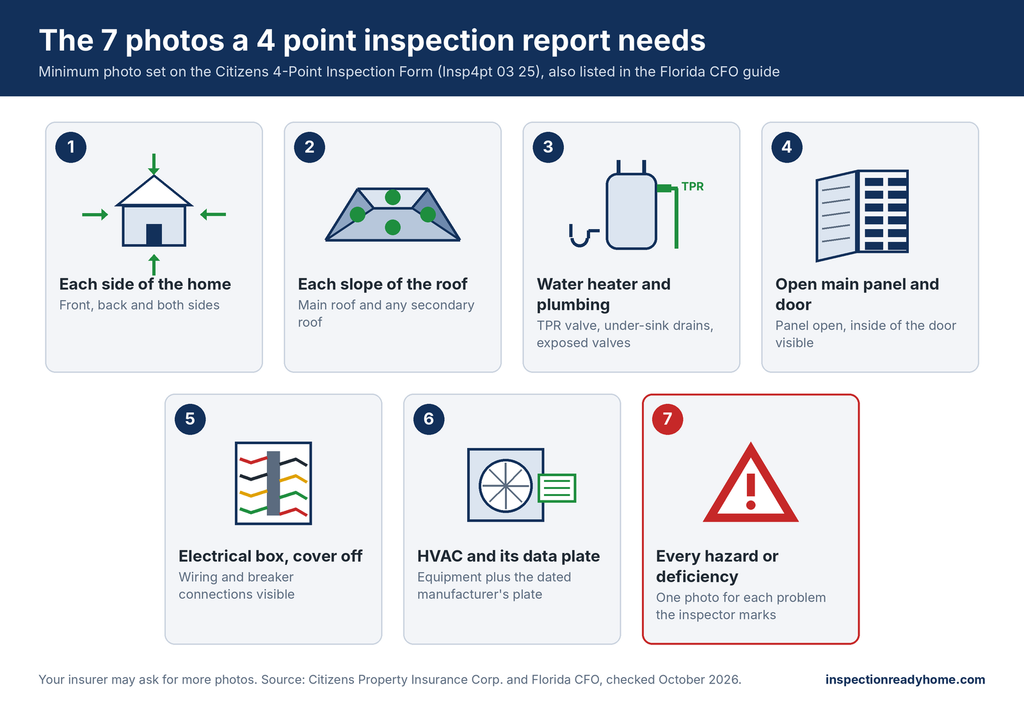
- Each side of the home. Front, back and both sides.
- Each slope of the roof. Every plane of the main roof and any secondary roof.
- Plumbing. The water heater, including its TPR valve (added in the 2025 update), the plumbing and drains under the cabinets, and any exposed valves.
- The open main electrical panel and its interior door. Both together, in one or more shots.
- The electrical box with the panel cover off. It lets the underwriter see the wiring and the breaker connections.
- HVAC equipment and its dated manufacturer’s plate. The plate’s date backs up the age on the form.
- Every hazard or deficiency. Anything the inspector marks as a problem needs its own photo.
Ask the inspector to send you the photos with the report. They show you exactly what the underwriter will see, and they are useful proof if a question comes back later.
Want to spot problems before the inspector does? Our free home insurance inspection checklist walks you through the same four systems in 24 checks, then gives you a printable list of what to fix first.
The 4 point inspection form: what changed in 2025
Citizens posted the current sample form, 4-Point Inspection Form Insp4pt 03 25, with a bulletin dated March 20, 2025 that told agents and inspectors to start using it right away. If a blank copy you find online is marked Insp4pt 01 18, it is an older version.
| Section | What the 2025 update added |
|---|---|
| Photos | The water heater photo must show its TPR valve |
| Electrical | Separate documentation of any single-strand aluminum wiring repair, certified by a licensed electrician. More wiring types in the supplemental section |
| HVAC | The wood stove or gas fireplace question split in two: is one present, and was it professionally installed? |
| Plumbing | Age of the supply piping, the drain piping and the water heater. More pipe types, and the year PEX was installed |
| Roof | A yes on visible signs of leaks must be described in more detail |
Citizens did not set a hard cutoff for the older form. Its bulletin says an older version is not rejected outright, but underwriting may contact the agent about missing information. Using the current form avoids that delay.
4 point inspection cost and how long it takes
There is no fixed price. The Florida CFO’s consumer guide, What to Expect: Four-Point Inspection, says a standalone inspection typically costs $100 to $300, and that the fee may be part of a package price. A consumer price guide, HomeGuide (November 20, 2025), lists $75 to $175, with most homeowners paying around $125, and $125 to $325 for a 4 point and a wind mitigation inspection together.
The CFO guide also says the visit should generally take about one hour, and that a much shorter one may mean the inspector was not thorough. Ask for a written quote, and ask whether a combined visit with a wind mitigation inspection is cheaper.
How recent a 4 point inspection report must be
This is where a 4 point inspection is very different from a wind mitigation report. According to the CFO guide, the report must by default be dated within the 30 days before the insurance application, although each insurer sets its own timeframe. A wind mitigation form can stay valid for up to five years, as our wind mitigation guide explains.
So timing matters. Book the inspection close to the date your agent will submit the application, not weeks ahead.
Worked example: a 1998 Florida home applying on November 16, 2026
A hypothetical owner wants a new Citizens policy and plans to apply on November 16, 2026. The house and its equipment are invented to show how the rules combine.
| System | What this house has | What the form will show | What to do first |
|---|---|---|---|
| Whole house | Built in 1998, 28 years old in 2026 | Over Citizens’ 20-year line, so a 4 point inspection is needed | Book it for October 17, 2026 or later, so it is within 30 days |
| Roof | Architectural shingles installed in 2010, 16 years old | Age 16 and the inspector’s estimate of remaining useful life | Over 15 years: ask whether proof of 5 years’ remaining life is needed. Under Citizens’ 25-year line for a separate roof form |
| Electrical | Original 150-amp breaker panel, copper wiring | Breaker panel, 150 amps, copper | Fix any listed hazard, such as a breaker that keeps tripping, before the visit |
| Plumbing | Water heater installed in 2013, 13 years old | Water heater age, TPR valve present, no leaks | The form records the age; the insurer decides what age it accepts |
| HVAC | Central AC and heat replaced in 2020, serviced in May 2026 | Age 6, date of last service | Keep the service invoice with the report |
The trap is the date. If this owner books the inspection for October 10, the report is 37 days old on November 16 and falls outside the default window, which may mean paying for a second visit. The roof is the other point to settle early: at 16 years it is past the 15-year mark in the CFO guide, even though it is far from Citizens’ separate roof form.
Questions to ask your insurer before you book
- Which 4 point inspection form do you accept, and which version?
- How recent must the report be on the day the application is submitted?
- Does my roof’s age also require a separate roof inspection form?
- Will you accept a section signed by a licensed electrician, plumber or HVAC contractor?
- Must repairs be finished before the policy is issued?
- What paperwork do you need for any aluminum wiring repair or re-pipe?
Who can do a 4 point inspection in Florida
The CFO guide says the report must be completed and signed by a verifiable Florida-licensed professional, such as a general, residential or building contractor, or a home inspector. The Citizens form also lets a trade-specific licensed professional, such as an electrician or plumber, sign off only on the section for their own trade.
Citizens’ inspections page warns that a form may not be accepted if the right professional did not do the inspection, or if their Florida license is not active or cannot be verified. Check any license on MyFloridaLicense.com before you book, and make sure the license number is filled in next to the signature.

Frequently asked questions
How long is a 4 point inspection good for?
Not long. By default, the CFO guide says the report must be dated within the 30 days before the insurance application, but each insurer sets its own timeframe. Ask your agent before you book, and schedule the visit close to the application date.
Is a 4 point inspection the same as a home inspection?
No. A 4 point inspection looks only at the roof, electrical, plumbing and HVAC, and records what an insurer needs to underwrite the home. A general home inspection for a buyer covers much more of the house. Some inspectors do both, but they are separate reports.
Can you fail a 4 point inspection?
The form has no pass or fail box, but it rates each system satisfactory or unsatisfactory and lists hazards. On the Citizens form, agents may not submit an application for a home with systems not in good working order or with existing hazards. In practice, that means repairs first, then a new inspection. For the visit an insurer orders on its own, see our guide to the home insurance inspection and its 10 red flags.
Does a 4 point inspection include wind mitigation?
No. Wind mitigation is a separate inspection on Florida form OIR-B1-1802, and it is used for premium credits rather than eligibility. Some inspectors offer both in one visit, and HomeGuide lists a combined price. Our wind mitigation inspection guide explains that form.
Do newer homes need a 4 point inspection?
It depends on the insurer. Citizens requires one for homes more than 20 years old; other companies set their own rules and may ask for one in other situations, such as an older roof. Your agent can tell you whether your application needs it.
When to call a pro
- Your insurer or agent asked for a 4 point inspection for a new policy or a renewal.
- Breakers trip or fuses blow often, or you see scorch marks, exposed wiring or corrosion in the panel.
- The home has aluminum branch wiring, knob and tube, cloth wiring or polybutylene pipes.
- You see signs of a leak under a sink, around the water heater or on a ceiling.
- The roof shows curling, missing tabs, granule loss or soft spots.
A Florida-licensed home inspector or contractor can complete the 4 point inspection. A licensed electrician, plumber, roofer or HVAC contractor can fix what it finds and document the work. For questions about eligibility or your policy, talk to your insurer or a licensed agent.
Sources
- Florida Department of Financial Services (CFO), Office of the Insurance Consumer Advocate, What to Expect: Four-Point Inspection
- Citizens Property Insurance Corporation, 4-Point Inspection Form, sample Insp4pt 03 25
- Citizens, Roof and 4-Point Inspection Form Updates (March 20, 2025)
- Citizens, 2022 Rates and Rules Changes Including 4-Point Required for 20+ Year Buildings (December 3, 2021)
- Citizens, Inspections
- HomeGuide, 4-point inspection cost (November 20, 2025)
- Florida Department of Business and Professional Regulation license search
This guide is general information about home insurance inspections, not insurance, legal or construction advice. Daniel Aznar, who writes this site, is not a home inspector, a contractor or an insurance agent. Forms, rules and insurer requirements change: confirm what applies to your home and policy with your insurer, a licensed agent or a Florida-licensed inspector. Read our full disclaimer, and if you spot an error, our corrections page explains how we fix it. Information checked in October 2026.