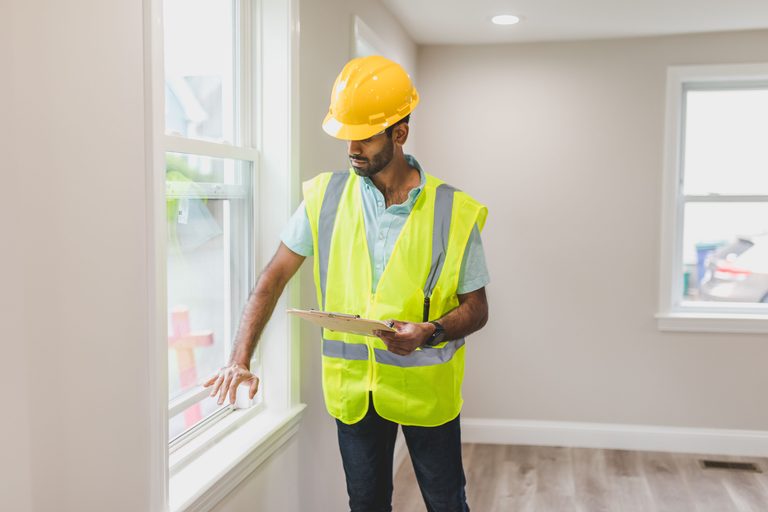
Home Insurance Inspection: What the Insurer Checks and What Happens Next
Quick answer
A home insurance inspection is a visit your insurer orders after you buy or renew a policy to confirm the home matches your application and has no obvious hazards. Roof wear, yard debris, unfenced pools and unrepaired damage are typical problems. In Florida and Texas, insurers have the most room to cancel in a policy’s first 60 days, so fix what you can before the visit.
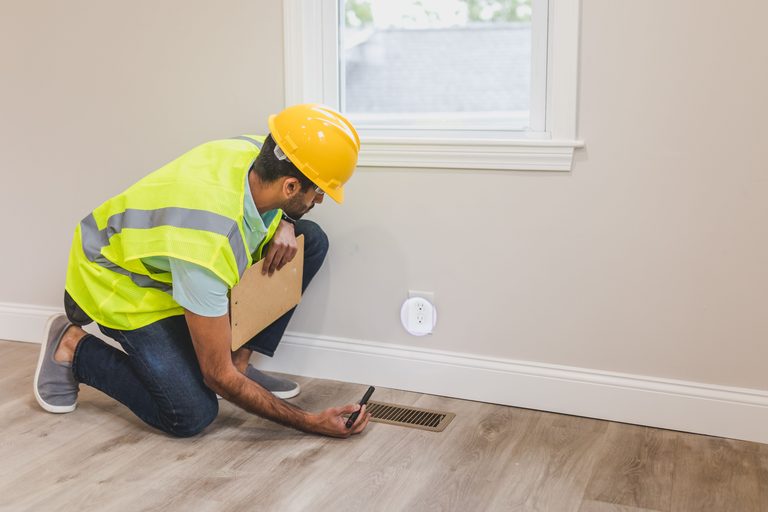
A home insurance inspection is the insurer checking its own homework. You described the house on the application; the inspection confirms the roof, the condition of the property and the risks match what you said. Some visits are a quick look at the outside; others include the inside. A few end with a letter asking for repairs, or worse, a cancellation notice.
This guide explains the two kinds of inspection homeowners deal with, the 10 red flags that cause most trouble, what Florida and Texas law says happens after a bad report, and a 48-hour plan to get ready. Every rule was checked against its official source, as explained in how we verify our guides.
Table of Contents
Home insurance inspection at a glance
| Question | Short answer |
|---|---|
| Who orders it? | Your insurer, usually after a new policy starts or before a renewal |
| Who pays? | Ask your insurer. Reports you order yourself, such as a 4-point, are on you |
| Do they come inside? | It depends on the insurer: some visits are exterior only, others include the inside |
| What do they check? | Roof, general upkeep, yard debris, pools, visible damage and anything that differs from your application |
| What if they find a problem? | A repair request, a higher premium, a cancellation or a nonrenewal, depending on the problem and your state |
| Key Florida number | 60 days: after that, the reasons an insurer may cancel are limited by law |
| Key Texas number | 60 days, and a voluntary inspection certificate valid for 3 years |
Two kinds of home insurance inspection
People use the same words for two different things, and mixing them up causes most of the confusion on forums. The first is the home insurance inspection the insurer sends someone to do. The second is a report you hire a licensed inspector to write and then hand to the insurer.
| Insurer’s underwriting inspection | Report you order (4-point, wind mitigation, roof) | |
|---|---|---|
| Who sends the inspector | The insurer or a company it hires | You, before you apply or renew |
| Who pays | Ask your insurer | You |
| When | After a new policy starts, or before a renewal | Before the application, so it can go in with it |
| What you get | Usually a letter only if a problem is found | A signed form with photos that you keep |
| Where it is common | Every state | Mostly Florida, where many insurers ask for these forms |
If your agent asked you for a report, you need the second kind. Start with our guides to the 4 point inspection, the wind mitigation inspection and the roof inspection for insurance. The rest of this page is mostly about the first kind: the visit the insurer orders.
What the inspector looks at, outside and in
Insurers do not publish one shared checklist, and each company sets its own underwriting rules. The closest thing to a public standard is the Texas Department of Insurance’s Voluntary Inspection Program, which lists the conditions a home must meet to be considered insurable. It is a good map of what an underwriting inspector notices.
Outside
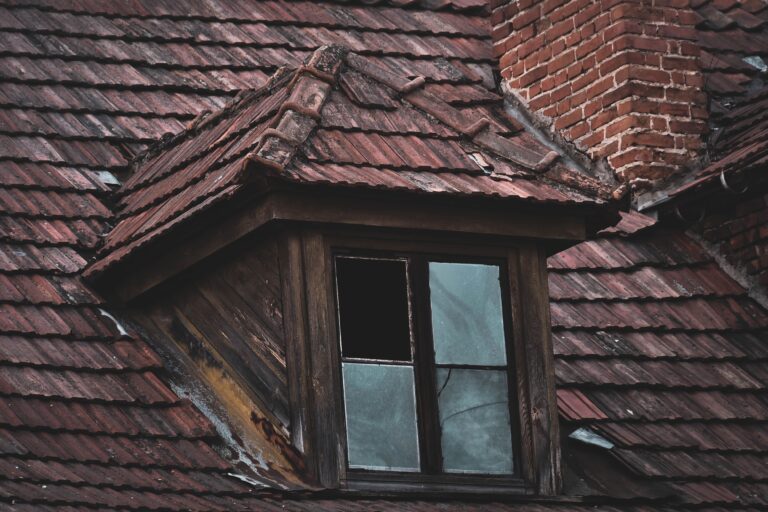
- Roof. Missing, curled or cracked shingles or tiles, and how old the roof looks compared with what you reported.
- Upkeep. Unrepaired damage, peeling or rotted siding, broken steps and railings.
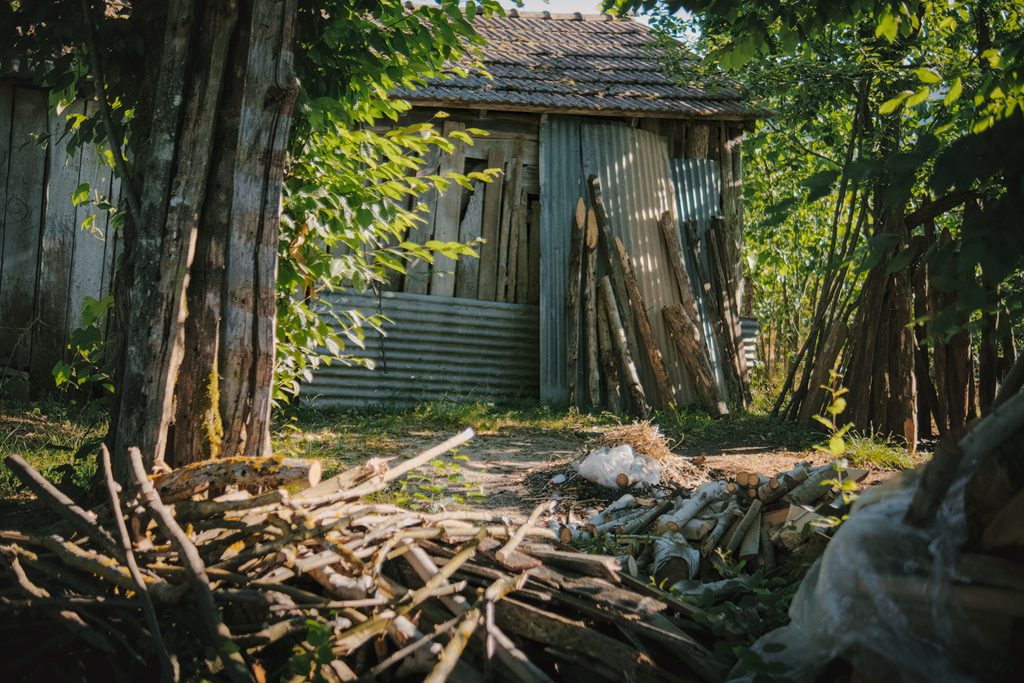
- Yard. Trash, brush or debris, and dead trees or branches over the roof.
- Pools and water features. Whether they are fenced.
- Access. Whether a fire truck can reach the home.
- The basics on file. Construction type, number of stories, outbuildings and the size of the home, which drive the replacement cost.
Inside, if they come in
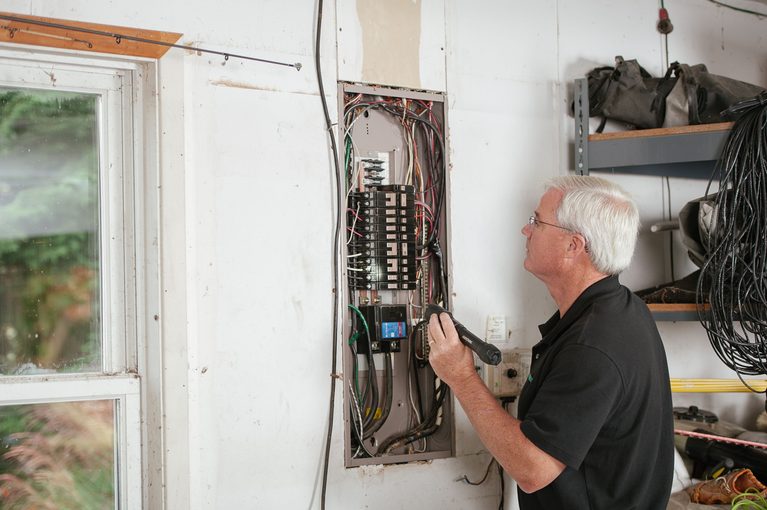
- Electrical. The panel type and visible hazards such as exposed wiring.
- Plumbing. Signs of active or past leaks, under sinks and around the water heater.
- Heating and venting. How the water heater and any space heater are vented.
- Damage. Ceiling stains, and termite or insect damage.
Those inside items overlap almost exactly with the systems on a Florida 4-point form. If you want to walk the house the way an inspector would, our free home insurance inspection checklist takes you through 24 checks and prints a list of what to fix first.
10 red flags that can fail a home insurance inspection
There is no pass or fail box on an insurer’s inspection. What happens instead is that the underwriter reads the notes and photos and decides whether the home still fits its rules. These 10 findings come straight from official checklists and insurer reason codes, and they are the ones most likely to trigger a letter.
| # | Red flag | What usually fixes it | Where it comes from |
|---|---|---|---|
| 1 | Worn or damaged roof | A licensed roofer’s repair, with invoice and photos | TDI reason codes (roof condition); Citizens roof form |
| 2 | Unrepaired damage from a past storm or leak | Finish the repair and keep the paperwork | TDI Voluntary Inspection Program |
| 3 | Trash, brush or debris in the yard | A weekend clean-up | TDI Voluntary Inspection Program |
| 4 | Unfenced pool or water feature | A fence or barrier that meets local code | TDI Voluntary Inspection Program |
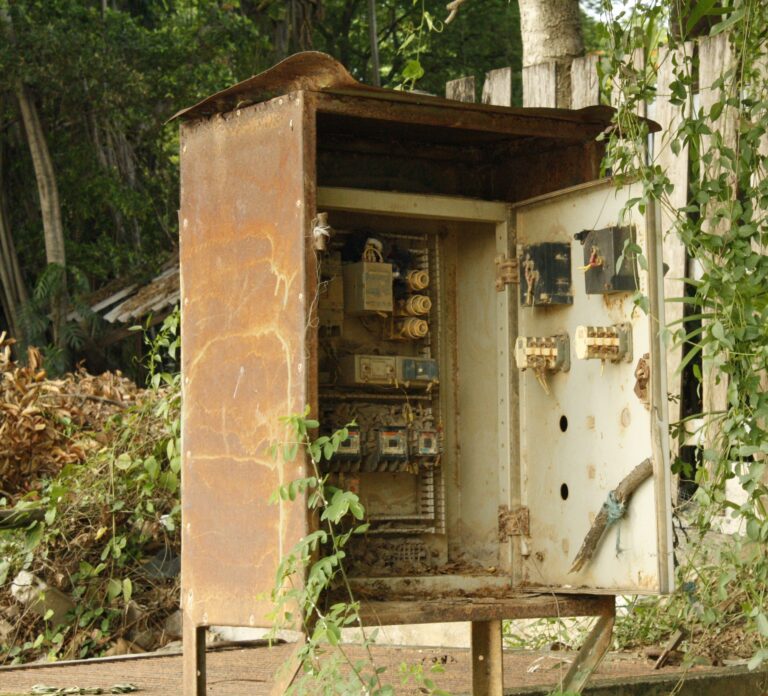
| 5 | Electrical hazards, such as exposed wiring or a scorched panel | A licensed electrician | Citizens 4-point form (12 listed hazards) |
| 6 | Active or past plumbing leaks | A licensed plumber, and a dry surface by the visit | Citizens 4-point form |
| 7 | Poorly vented water heater or space heater | A licensed plumber or HVAC contractor | TDI Voluntary Inspection Program |
| 8 | Termite or insect damage | Treatment and repair by a licensed pest control company | TDI Voluntary Inspection Program |
| 9 | Not enough defensible space in a wildfire area | Clear vegetation near the house | TDI reason codes |
| 10 | Home details that differ from the application | Correct the application with your agent before the visit | Fla. Stat. 627.4133; TDI home insurance guide |
Number 10 is the one people forget. If you said the roof was replaced in 2018 and the inspector sees a much older roof, the problem is no longer just the roof. Both Florida and Texas let an insurer act on facts you did not disclose, so check what your agent entered before anyone visits.
What happens after a home insurance inspection
If your home insurance inspection finds nothing wrong, you usually hear nothing. If something is, the insurer’s options depend on how long the policy has been in force and on your state. Florida and Texas both draw the line at 60 days.
Florida
- First 60 days. Section 627.4133 of the Florida Statutes says that a cancellation for reasons other than nonpayment needs at least 20 days’ written notice with the reason, unless there was a material misstatement or a failure to meet the insurer’s underwriting requirements.
- After 60 days. The insurer may cancel only for listed reasons, such as a material misstatement, nonpayment, a failure to meet underwriting requirements within the first 60 days, or a substantial change in the risk.
- At renewal. For residential property, the same section requires written notice of nonrenewal, with the reason, at least 120 days before it takes effect, with some shorter exceptions.
Texas
The Texas Department of Insurance’s home insurance guide says a company must give you 10 days’ notice before it cancels. In the first 60 days, it can cancel if it learns about a risk you did not tell it about, or if it does not accept a required inspection report before the policy starts. At any time, it can also cancel for a short list of reasons, such as nonpayment, a fraudulent claim or an increase in risk within your control.
Worked example: a new Florida policy starting November 2, 2026
A hypothetical owner buys a home and a new homeowners policy starts on November 2, 2026. The dates are invented to show how the Florida rules line up.
| Date | What happens | What it means |
|---|---|---|
| Nov 2, 2026 | Policy starts | The 60-day window opens |
| Nov 20, 2026 | Exterior inspection. The inspector photographs debris along the fence and missing shingles on one slope | Two red flags: 1 and 3 |
| Dec 10, 2026 | The insurer mails a cancellation notice | Still within 60 days, so at least 20 days’ notice with the reason |
| Dec 30, 2026 | Earliest date the cancellation can take effect | 20 days after the notice. Time to find other coverage |
| After Dec 31, 2026 | The first 60 days are over | Cancellation only for the reasons the statute lists |
Both problems are fixable, and the 20-day minimum leaves time to fix them or find other coverage. The trap is red flag 10. If the roof had also been older than the application said, the statute’s exception for a material misstatement could apply, and the 20-day minimum might not. Getting the roof date right on day one, with a permit record, avoids that.
Can you refuse a home insurance inspection?
You can say no, but refusing a home insurance inspection rarely helps. Insurers make the inspection part of their underwriting requirements, and in Florida a failure to meet those requirements is one of the reasons the statute allows for cancellation, both in the first 60 days and afterwards. Refusing tends to swap a fixable problem for a coverage problem.
A better move is to ask questions. Ask whether the visit is exterior only, whether you need to be home, and what happens to the photos. If you cannot be there, ask whether the inspector needs a gate code or access to a backyard pool area.
Ask your insurer when the inspection notice arrives
- Is the visit exterior only, or do you also need the interior?
- Do I need to be home, and how do I reschedule?
- What roof age and construction details do you have on file for my home?
- If the inspector finds a problem, how long will I have to fix it?
- Will you send me a copy of the findings or photos?
Texas: the Voluntary Inspection Program
Texas has a tool most states do not. Under the Voluntary Inspection Program, a homeowner who struggles to find coverage, for example because of the home’s age or location, can hire a program inspector to apply for a certificate of insurability. The home has to be in good condition to qualify.
- What it checks: good maintenance with no unrepaired damage and no debris in the yard, plus wiring, roofing, plumbing, heating and cooling, water heater and space heater venting, unfenced pools, fire-truck access and termite damage.
- What the certificate does: TDI says an insurer generally cannot refuse to sell or renew a policy because of the home’s condition unless it reinspects and describes the problems in writing.
- How long it lasts: three years, as long as the property has not changed much.
- What it costs: TDI caps the 2026 fee at $159.29, plus $79.63 for a follow-up to verify repairs, and limits mileage charges.
Even outside Texas, that list is a useful home insurance inspection checklist. It is the clearest official statement we have found of what “insurable condition” means in practice.
How to prepare in 48 hours
Most home insurance inspection notices give you some warning. Use it in this order, starting with what costs nothing.
- Check the application. Ask your agent for the details on file: roof year, construction, square footage, pool, outbuildings. Fix anything wrong now.
- Clear the yard. Debris, brush, old appliances and piles of branches are the cheapest red flags to remove.
- Look at the roof from the ground. Photograph each side. Note missing or lifted pieces and get a roofer’s opinion if you see any. If a storm caused them, our guide to whether homeowners insurance covers roof replacement explains what a claim pays.
- Close the pool area. Make sure gates latch and the barrier is complete.
- Walk the inside. Look under sinks, around the water heater and at ceilings for stains. Know the story behind any old one. If a stain came from the roof, our guide to whether homeowners insurance covers roof leaks explains which causes get paid.
- Gather proof. Roof permit, repair invoices and any earlier inspection reports, in one folder.
- Run the free checklist. Our 4-point self-check sorts what you find into what to fix first, and you can print the result.

Frequently asked questions
Is it normal for an insurance company to inspect your house?
Yes. A home insurance inspection is a routine part of underwriting, especially for a new policy. It does not mean the insurer suspects anything. It confirms that the home matches the application and has no obvious hazards.
What will fail a home insurance inspection?
Nothing fails automatically, but the 10 red flags above cause most problems: a worn roof, unrepaired damage, yard debris, an unfenced pool, electrical hazards, leaks, poor venting, termite damage, missing defensible space and details that differ from your application.
Do insurance inspectors come inside?
It depends on the insurer. Some inspections are exterior only, others include the inside. Ask when the notice arrives. Reports you order yourself, like a 4-point, always include the inside.
Can my home insurance be canceled after an inspection?
It can, within limits. A home insurance inspection that finds a problem can lead to a cancellation notice. In Florida and Texas the insurer has more room in the first 60 days. After that, Florida limits cancellation to the reasons its statute lists, and Texas to the short list in TDI’s guide. A problem found at inspection may also lead to a nonrenewal at the end of the term instead. In California, owners who cannot find a new insurer often turn to the California FAIR Plan, a basic fire policy of last resort.
Is a home insurance inspection the same as a home inspection for buyers?
No. A buyer’s home inspection is a detailed report for you. An insurer’s inspection is a quick check for the underwriter. In Florida, the separate wind mitigation form and the 4-point report are a third thing again: reports you order and hand to the insurer.
When to call a pro
- You received an inspection notice and see damage on the roof or the outside of the home.
- You found a leak, a stain you cannot explain, or signs of termites.
- Breakers trip often, or you see scorch marks or exposed wiring.
- You received a letter asking for repairs or announcing a cancellation or nonrenewal.
A licensed roofer, electrician, plumber or pest control company can fix what the inspection finds and document the work. For questions about your policy or a cancellation, talk to your insurer, a licensed agent or your state insurance department.
Sources
- Florida Statutes 2026, section 627.4133 (Florida Senate)
- Texas Department of Insurance, Home insurance guide (updated June 1, 2026)
- Texas Department of Insurance, Voluntary Inspection Program (updated March 23, 2026)
- Texas Department of Insurance, Reasons home and auto insurance policies are declined, canceled or not renewed
- Citizens Property Insurance Corporation, 4-Point Inspection Form, sample Insp4pt 03 25
- Citizens Property Insurance Corporation, sample Roof Inspection Form RCF-1 03 25
This guide is general information about home insurance inspections, not insurance or legal advice. Daniel Aznar, who writes this site, is not a home inspector or an insurance agent. Insurer rules and state laws change: confirm what applies to your home and policy with your insurer, a licensed agent or your state insurance department. Read our full disclaimer, and if you spot an error, our corrections page explains how we fix it. Information checked in October 2026.